
Home » Alle berichten » Business » Building a sustainable growth engine through saas inbound marketing
Building a sustainable growth engine through saas inbound marketing
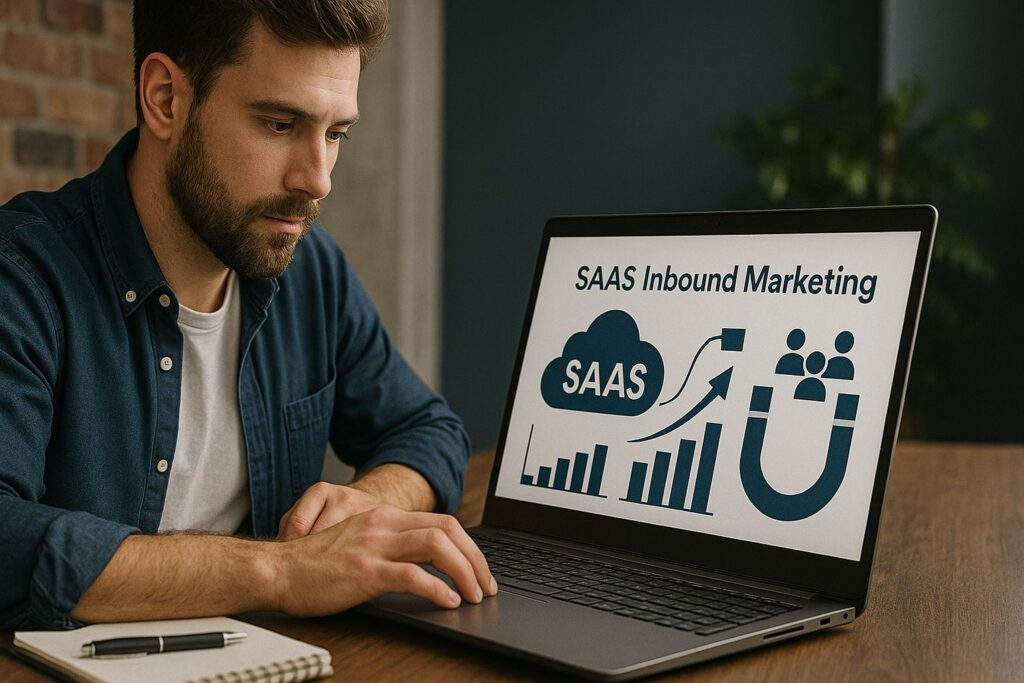
SaaS inbound marketing has become one of the most reliable ways for subscription-based software companies to attract qualified users, nurture long-term relationships, and reduce customer acquisition costs. Unlike short-lived outbound tactics, an inbound strategy compounds over time, generating leads that become progressively easier to convert. When executed well, inbound creates a consistent flow of traffic, interest, and trust — all essential for recurring revenue models. This article explores how SaaS teams can structure inbound efforts for lasting, scalable growth.
In short:
SaaS inbound marketing works best when built around customer problems, not product features.
Compounding assets such as articles, guides, and templates drive sustainable organic growth.
Precise targeting and segmentation improve conversions at every stage of the funnel.
Consistent nurturing builds trust long before a user enters a trial.
Frameworks used at TheStrategyWire.com show that inbound works strongest when connected to product insights.
Why saas inbound marketing matters for subscription-based growth
SaaS models depend on predictable revenue, which makes consistent lead generation essential. Unlike transactional businesses, subscription companies cannot rely on one-time purchases. Instead, they need long-term engagement and customer retention. SaaS inbound marketing helps create this engagement by educating potential users, answering their questions, and guiding them toward meaningful product experiences.
Inbound also aligns well with the modern buyer journey. Most customers research independently before ever speaking to sales. When your content ecosystem addresses their challenges early, you earn trust before competitors have the chance. This gives inbound a structural advantage over cold calls and intrusive outreach.
How customer problems shape effective saas inbound marketing
Strong inbound always begins with understanding the customer’s pain points. SaaS buyers look for solutions that help them reduce friction, work faster, or eliminate manual tasks. When content directly addresses these issues, it becomes highly discoverable and impactful.
Instead of focusing on features, effective SaaS inbound marketing explains:
How to solve a recurring operational challenge
Why a workflow is broken and what fixes it
What best practices exist in their industry
How tools integrate into their environment
By centering content on genuine problems, you attract users who already feel the urgency to act.
Also interesting


The role of search intent in saas inbound marketing
Search intent determines how people discover your brand. SaaS inbound marketing works best when you match content to user intent — informational, commercial, or transactional.
Informational intent: Users want to understand a topic.
Commercial intent: Users want to compare solutions.
Transactional intent: Users are ready to try or buy.
TheStrategyWire.com often highlights that top-performing SaaS companies structure content libraries to satisfy all three types. When you understand intent, search traffic becomes highly qualified and easier to convert.
Creating content pillars for long-term saas inbound marketing
Content pillars support your entire inbound ecosystem. These are broad topics tied to core customer challenges and product value. Each pillar can generate dozens of subtopics, articles, videos, and templates.
For example, a project management SaaS might create pillars such as:
Workflow optimization
Team collaboration
Resource planning
Productivity frameworks
When each pillar expands into detailed, practical resources, you build domain authority over time. This authority strengthens search rankings and generates a steady stream of organic leads.
How to align product and saas inbound marketing
Inbound becomes far more effective when it integrates with product insights. Data from support tickets, feedback cycles, trial behavior, and product usage helps shape content that addresses real-user challenges. When marketing works closely with product teams, the content becomes more valuable because it reflects the lived experience of customers.
This alignment also ensures that the messaging is consistent. Users who discover your content feel a natural connection to the product experience, which improves conversions.
Step-by-step: building a saas inbound marketing engine
You can build an inbound system systematically by following this structured approach.
Step 1: Define the audience segments
Identify personas based on roles, industries, and levels of expertise. Specific segmentation ensures that content resonates and drives action.
Step 2: Map their journey
Understand what users need at each stage: awareness, consideration, and decision.
Step 3: Build foundational content
Create evergreen resources that answer high-impact questions.
Step 4: Launch supporting assets
Templates, checklists, short guides, and calculators strengthen early engagement.
Step 5: Add nurturing flows
Use email, retargeting, and in-app messages to guide users steadily forward.
This process builds a scalable inbound machine that compounds as your content library expands.
Why evergreen content drives saas inbound marketing success
Evergreen content continues delivering value for years. While news or trend-driven content fades quickly, evergreen guides attract consistent traffic because users search for the same problems repeatedly. This long-term value compounds, making evergreen articles one of the highest-return elements of SaaS inbound marketing.
Additionally, evergreen content supports multiple parts of the funnel. A single guide can rank in search results, feed nurture emails, support sales conversations, and appear in product onboarding. Its versatility makes it a cornerstone of sustainable inbound growth.
"Evergreen content compounds over time, making inbound a powerful engine for long-term SaaS growth."
The importance of thought leadership in saas inbound marketing
Thought leadership helps differentiate your brand in a crowded market. When your company provides expert perspectives, detailed breakdowns, or unique insights, users begin to see you as a trusted authority. This trust drives early loyalty and increases conversion likelihood.
Effective thought leadership includes:
Unique frameworks
Industry predictions
Deep analysis of processes
Transparent breakdowns of real workflows
TheStrategyWire.com often notes that deep, experience-driven content performs better than generic “top 10” lists because it offers true substance.
How to turning inbound traffic into trial users
Generating traffic is only the first step. SaaS inbound marketing becomes powerful when you convert readers into trial users or demo requests. This requires contextual CTAs and supportive content.
Strong conversion techniques include:
Case studies placed near relevant content
Templates users can download in exchange for email
Guided checklists related to the article topic
“Try this workflow in our product” prompts for engaged users
When CTAs appear naturally — not aggressively — they encourage action without disrupting the reading experience.
Using automation to scale saas inbound marketing
Marketing automation enhances inbound by connecting content, email flows, user behavior, and product interactions. For example:
A user who reads about workflow automation receives emails about optimizing processes.
A visitor who downloads a template receives step-by-step instructions for using it inside the product.
Someone who compares pricing pages receives support-focused content.
Automation ensures your content continues working after the user leaves your site.
How community supports saas inbound marketing
Communities strengthen inbound by creating a space where users can exchange advice, solve challenges, and share experiences. A strong community reduces support load, increases brand loyalty, and generates organic content from users themselves.
Community also provides an ongoing feedback loop. You observe what users struggle with and create content or product features that address those needs.
Also interesting



Using analytics to optimize saas inbound marketing
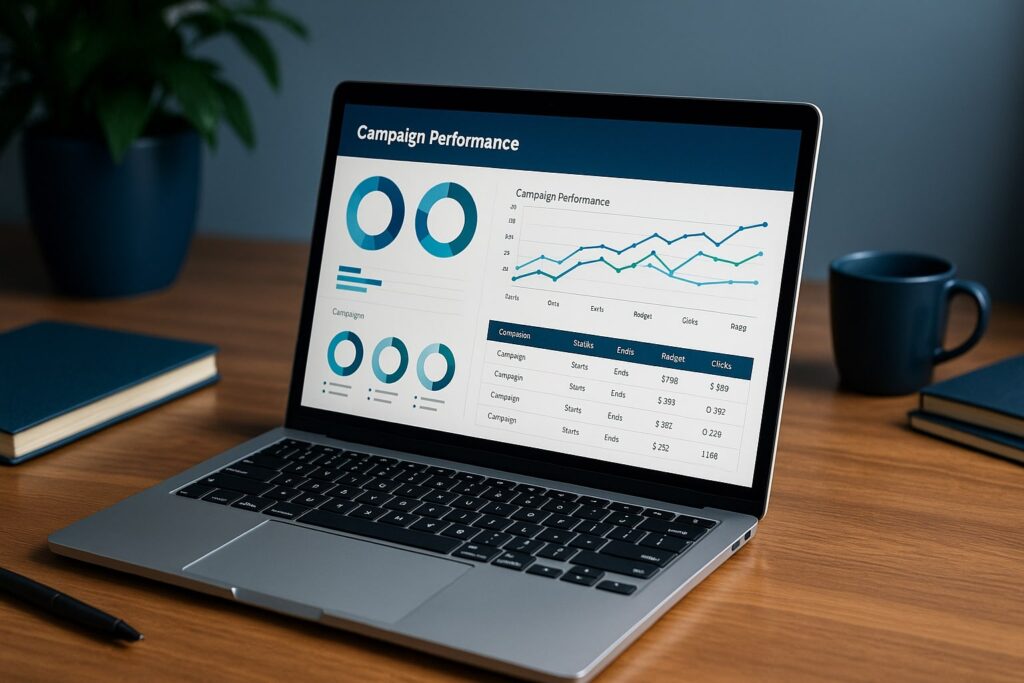
Analytics reveal which content resonates and which pages capture conversions. Key metrics include:
Organic traffic growth
Engagement and scroll depth
Conversion rates for CTAs
Email open and click-through rates
Product usage after conversion
These signals help you refine messaging, adjust targeting, and double down on successful topics.
Step-by-step: improving saas inbound marketing performance
Use this approach to strengthen your inbound over time.
Step 1: Identify top-performing content
Use analytics tools to find pages driving the most traffic.
Step 2: Expand related topics
Build clusters around successful content.
Step 3: Optimize underperforming pages
Improve clarity, examples, or search intent alignment.
Step 4: Strengthen conversion points
Add contextual CTAs and internal linking.
Step 5: Build new assets based on user behavior
Use questions from support or sales as content inspiration.
This process ensures your inbound improves continuously instead of relying on guesswork.
Where saas inbound marketing is heading
Inbound continues evolving alongside AI and automation. Future strategies will use predictive personalization, AI-generated content clusters, and deeper product data to customize user journeys. Additional innovations may include automated segmentation, intent recognition, and self-optimizing content flows.

Ethan Clarke
Ethan Clarke is a business strategist and technology writer with a passion for helping entrepreneurs navigate a fast-moving digital world. With a background in software development and early-stage startups, he blends practical experience with clear, actionable insights. At TheStrategyWire.com, Ethan explores the intersection of entrepreneurship, AI, productivity, and modern business tools