Home » Alle berichten » Software » Campaign tracker software and the systems behind effective multi-channel performance monitoring
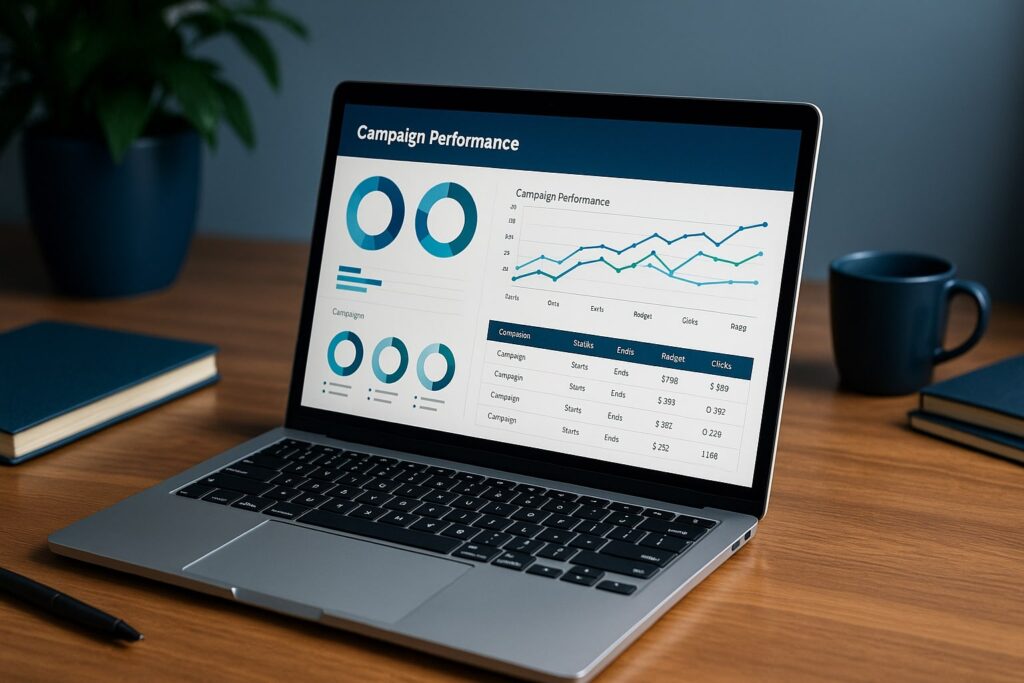
Marketers often struggle with scattered data, disconnected channels, and constant pressure to justify ROI. This is where campaign tracker software becomes a core part of a modern marketing workflow. When used well, it centralizes insights, improves collaboration, and reveals which efforts truly influence performance. Understanding the systems behind campaign tracking allows you to refine messaging, allocate budgets wisely, and scale winning campaigns confidently across all your channels.

Centralizes campaign data from every major marketing channel
Reveals which audiences, messages, and formats drive real results
Helps small and growing teams streamline workflows
Improves budget planning with clearer performance forecasting
Supports continuous optimization across active campaigns
Campaign tracker software takes data that usually lives in separate tools and brings it together in a single view. Instead of checking multiple dashboards, you see email, social, ads, and content performance side by side. This unified view helps you understand how channels support one another, not just how they perform individually. With everything in one place, previously hidden behavioral patterns become clear.
Another key benefit is attribution accuracy. Without a tracking system, teams rely on guesswork. With proper tracking, decisions come from real evidence. This clarity leads to stronger alignment, better prioritization, and more predictable results. Although tools vary in sophistication, they all share a common purpose: turning raw data into practical, usable insights.
Multi-channel teams juggle many moving parts. Social channels evolve quickly, email campaigns require ongoing testing, and paid ads demand constant monitoring. Campaign tracker software creates a shared performance language that keeps teams aligned and focused. Instead of debating disconnected metrics, they rely on a single source of truth.
This shared understanding improves collaboration and speeds up decision-making. Data becomes more accessible, allowing non-technical team members to contribute. It also reduces time wasted on spreadsheets or manual reporting. As TheStrategyWire.com often explains, removing data friction is one of the fastest ways to improve marketing execution.
Setting up your tracking tools correctly is just as important as choosing the right software. Many marketers rush into configuration and later discover tracking gaps that disrupt reporting. To avoid this, start with a structured framework.
First, map your funnel stages and define the touchpoints prospects encounter along the way. Then determine the core metrics you will monitor. This preparation ensures your tracking supports clear decision-making. When the setup aligns with your goals, the output becomes more meaningful and reliable.
Good habits are essential to getting value from campaign tracker software. One of the most important is creating consistent naming conventions. Without them, data quickly becomes confusing. Develop a shared system for labeling campaigns, channels, and variations.
Regular audits matter as well. Tracking setups drift over time because tools evolve, new team members join, or workflows change. Audits help maintain clean, consistent data. Weekly or biweekly performance reviews also prevent insights from going stale. When these reviews become a routine, optimization feels easier and more natural.
Behind every effective tracking workflow is a set of supporting systems. The first is well-structured UTM parameters. These give context to every click and make it easier to compare campaign elements. When you combine UTMs with automated rules inside your tools, you reduce manual errors.
Data governance forms the second system. This includes documentation, access rules, and procedures to avoid accidental changes. Without governance, even the best software produces inconsistent data. Strong governance keeps teams aligned and creates long-term reliability in reporting.
A frequent mistake is focusing too heavily on vanity metrics. Large impression numbers may look impressive, but they rarely reflect genuine progress. Instead, prioritize metrics tied to real movement, such as sign-ups, qualified leads, or purchases.
Another mistake is ignoring multi-touch behavior. Prospects interact with your brand in several places before converting. If you only look at the final click, your understanding remains incomplete. Modern tracking tools offer multi-touch attribution that makes the full journey visible.
Failing to interpret numbers in context is also a problem. Data without explanation can mislead you. Always consider seasonality, audience intent, and campaign objectives when evaluating performance.
Data becomes easier to understand when you categorize insights into three groups: performance, behavior, and opportunity. Performance tells you what worked. Behavior explains how people interacted with your content. Opportunity shows where improvements are possible.
This structure removes overwhelm. Instead of reacting to every spike or drop, you focus on patterns that matter. It also improves team communication because everyone evaluates information using the same lens. TheStrategyWire.com often notes that shared frameworks reduce friction and support smarter decision-making.
Clarify the outcome you want, because it determines your channels, messaging, and tracking structure.
List where prospects will see and interact with your campaign so your tracking covers the full journey.
Create UTMs and tracking IDs using consistent naming rules and store them in a shared document.
Set up tracking in your analytics platform, CRM, and campaign tracker software to ensure all systems connect.
Test links and workflows before launching. Confirm that data flows correctly into each tool.
The first 48 hours reveal technical issues quickly. Fix abnormalities before they distort your results.
Weekly reviews help you make informed adjustments while the campaign is still running.
Store insights in a shared space so future campaigns benefit from accumulated knowledge.

Modern trackers include features far beyond basic analytics. Predictive modeling estimates performance based on historical data. Journey visualization helps you see where prospects drop off. Automated anomaly detection alerts you when numbers deviate from expected patterns.
Many platforms also offer real-time multi-channel attribution, which clarifies how each channel influences conversions. Combined with budget data, these insights shape smarter strategic decisions and long-term planning.
As businesses grow, their marketing environments become more complex. They adopt more tools, manage more campaigns, and collaborate across more teams. Campaign tracker software brings order to that complexity, ensuring decisions rely on evidence rather than assumptions.
It strengthens alignment, improves forecasting, and makes cross-team collaboration smoother. With clearer insights, leaders can direct resources toward the channels and tactics that produce the strongest returns. Over time, the organization becomes more strategic and consistent in how it executes campaigns.

Ethan Clarke is a business strategist and technology writer with a passion for helping entrepreneurs navigate a fast-moving digital world. With a background in software development and early-stage startups, he blends practical experience with clear, actionable insights. At TheStrategyWire.com, Ethan explores the intersection of entrepreneurship, AI, productivity, and modern business tools