
Home » Alle berichten » Business » Resource gap analysis as a strategic tool for closing performance shortfalls
Resource gap analysis as a strategic tool for closing performance shortfalls
Ambitious plans often fail not because goals are unrealistic, but because required resources are misaligned with current capacity. Revenue targets, product launches, or expansion initiatives can quickly expose hidden constraints in talent, budget, technology, or time. Resource gap analysis addresses this problem directly. By systematically comparing what is needed with what is available, organizations gain clarity about feasibility, risk, and necessary adjustments. When applied rigorously, it turns vague concerns into actionable insight.

In short:
Resource gap analysis compares required resources with available capacity.
It identifies shortfalls and surpluses before execution problems emerge.
Effective analysis combines quantitative data with strategic judgment.
Cross-functional input strengthens accuracy and alignment.
Ongoing review ensures resource planning adapts to changing conditions.
What resource gap analysis actually means
Resource gap analysis is a structured evaluation of the difference between current resources and those required to achieve specific objectives. Resources may include workforce capacity, skill sets, financial capital, infrastructure, or technological tools.
The process begins with defining strategic or operational goals clearly. Without defined outcomes, gap identification becomes speculative. Once objectives are set, required resources are estimated and compared against current availability.
The resulting gap highlights areas that require hiring, investment, process improvement, reprioritization, or strategic adjustment. This comparison transforms planning into evidence-based decision-making.
Why resource gaps often go unnoticed
Many organizations assume that incremental growth can be absorbed without structural change. However, small imbalances accumulate. A slight shortage of skilled staff may initially cause minor delays, but over time it erodes quality and morale.
Resource gap analysis exposes these imbalances early. For example, if projected client demand increases by 25 percent while workforce capacity remains constant, the gap becomes measurable rather than anecdotal.
At TheStrategyWire.com, performance breakdowns frequently trace back to overlooked resource gaps. Leaders recognized strain only after performance deteriorated. Structured analysis reduces this risk.
Also interesting


Linking strategy to resource gap analysis
Strategy defines direction; resources determine feasibility. A growth strategy targeting new markets requires not only marketing budgets but also operational capacity and local expertise.
Resource gap analysis ensures that strategy and capacity align. If expansion requires multilingual support but no such expertise exists internally, leadership must decide whether to recruit, outsource, or adjust scope.
This alignment prevents overcommitment. It also increases confidence in execution because feasibility has been tested before implementation.
A step-by-step resource gap analysis framework
A structured approach enhances clarity and consistency:
Define specific objectives and measurable outcomes.
Identify all resource categories required to achieve these objectives.
Quantify required resource levels using realistic assumptions.
Assess current resource availability with verified data.
Calculate differences between required and available resources.
Evaluate the severity and urgency of each gap.
Develop targeted action plans to close or mitigate gaps.
Monitor progress and update the analysis periodically.
This framework ensures that resource gap analysis moves beyond informal estimation.
Quantitative versus qualitative gaps
Not all resource gaps are numerical. Some are qualitative, particularly in skill-based environments. For example, headcount may appear sufficient, yet expertise depth may be inadequate for complex projects.
Quantitative gaps are easier to detect: insufficient staff hours, limited production capacity, or budget shortfalls. Qualitative gaps require deeper assessment, such as evaluating capability maturity or leadership readiness.
Balancing both perspectives strengthens accuracy. Relying solely on headcount or budget figures overlooks competency nuances.
"Identify resource gaps before they become performance failures, and strategy will move from aspiration to execution."
Workforce considerations in resource gap analysis
Human capital often represents the most critical resource category. Assessing workforce gaps involves more than counting employees. Productivity levels, turnover risk, training timelines, and skill diversity all influence effective capacity.
For instance, if a specialized role requires six months of training, closing a gap through hiring is not immediate. Resource gap analysis must account for time-to-competency, not merely time-to-hire.
Integrating skills tracking data improves insight. Mapping required competencies against existing capabilities clarifies whether development or recruitment is more viable.
Financial resource gaps and investment decisions
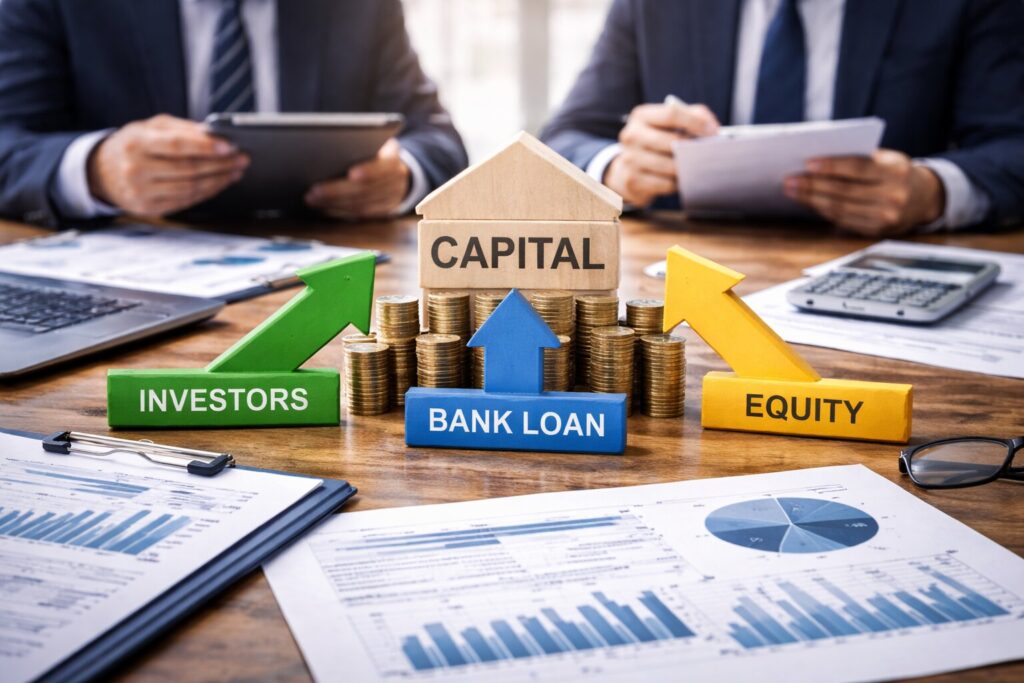
Financial constraints frequently limit strategic initiatives. A resource gap analysis that identifies insufficient capital for technology upgrades forces prioritization.
Leadership must evaluate whether to secure additional funding, reallocate existing budgets, or phase implementation. Transparent gap identification supports disciplined investment decisions.
This approach prevents fragmented spending and aligns capital allocation with strategic priorities.
Technology and infrastructure gaps
Digital transformation initiatives often reveal infrastructure gaps. Legacy systems may lack scalability or integration capability.
Resource gap analysis helps quantify technology limitations relative to projected workload. For example, increased transaction volume may exceed server capacity or processing speed.
Identifying these constraints early enables phased upgrades or cloud-based solutions before performance deteriorates.
Also interesting


Prioritizing which gaps to address first
Not all gaps demand immediate correction. Prioritization depends on risk exposure, strategic importance, and time sensitivity.
A practical prioritization model includes:
Assessing impact on core objectives.
Estimating probability of disruption if unaddressed.
Evaluating cost and complexity of resolution.
Considering interdependencies between gaps.
This structured ranking prevents resource dilution and ensures attention focuses on the most critical constraints.
Scenario planning within resource gap analysis
Uncertainty complicates forecasting. Market volatility, regulatory changes, or supply chain disruptions may alter resource requirements rapidly.
Incorporating scenario planning strengthens resilience. By modeling best-case, moderate, and worst-case demand scenarios, organizations can evaluate how resource gaps evolve under different conditions.
This approach transforms resource gap analysis from a static exercise into a dynamic planning tool.
Avoiding common analytical pitfalls
Overconfidence in optimistic projections often masks resource gaps. Assuming smooth growth without testing constraints creates vulnerability.
Another pitfall is siloed analysis. Departments may evaluate resources independently, ignoring cross-functional dependencies. For example, sales growth without corresponding support capacity creates service strain.
Cross-functional collaboration ensures comprehensive visibility. Finance, operations, human resources, and technology leaders should contribute to the analysis.
Embedding resource gap analysis into governance routines
Sporadic analysis limits impact. Integrating resource gap evaluation into annual planning cycles, quarterly reviews, and major project approvals ensures consistency.
Leadership discussions should reference documented gaps explicitly. This discipline fosters accountability and transparency.
Over time, embedding this practice creates a culture of anticipatory management rather than reactive adjustment.
Measuring the effectiveness of gap mitigation
Closing identified gaps should produce measurable outcomes. Indicators may include improved delivery timelines, reduced overtime, higher client satisfaction, or stronger financial margins.
Monitoring these outcomes validates the analytical process. If performance does not improve after gap mitigation, assumptions may require reassessment.
Feedback loops strengthen future analyses and enhance predictive accuracy.
Long-term organizational resilience
Organizations that consistently conduct resource gap analysis develop structural resilience. They anticipate constraints before they escalate and allocate investments strategically.
This proactive orientation reduces crisis management and enhances credibility with stakeholders. Sustainable growth depends not only on ambition but on disciplined capacity alignment.
At TheStrategyWire.com, strategic case studies repeatedly show that organizations with mature gap analysis capabilities navigate volatility with greater stability and confidence.

Ethan Clarke
Ethan Clarke is a business strategist and technology writer with a passion for helping entrepreneurs navigate a fast-moving digital world. With a background in software development and early-stage startups, he blends practical experience with clear, actionable insights. At TheStrategyWire.com, Ethan explores the intersection of entrepreneurship, AI, productivity, and modern business tools