
Home » Alle berichten » Software » Choosing the best crm for electrical contractors to streamline operations
Choosing the best crm for electrical contractors to streamline operations
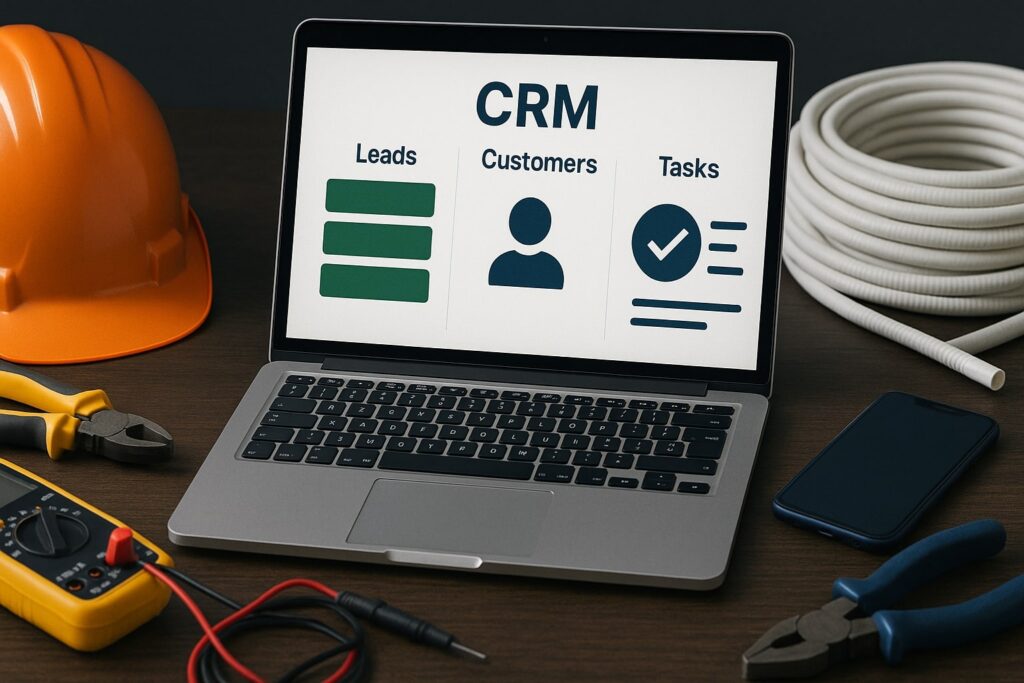
Finding the best crm for electrical contractors is essential for managing leads, organizing schedules, tracking jobs, and building long-term customer relationships. Electrical work involves juggling field operations, quoting, safety notes, invoicing, and follow-ups, all while maintaining reliable communication. A CRM tailored to this environment can eliminate inefficiencies and prevent tasks from slipping through the cracks. In this guide, you’ll learn how to identify the best crm for electrical contractors, what features truly make a difference, and how to implement the system effectively.
In short:
Learn which CRM features matter most for electrical contractors.
Compare popular CRM platforms and their real-world strengths.
Understand how job tracking, scheduling, and field mobility influence CRM choice.
Discover insights recommended by teams like TheStrategyWire.com.
Avoid common pitfalls when adopting new CRM systems.
Why choosing the best crm for electrical contractors matters
The best crm for electrical contractors brings clarity to complex operations. Electrical contractors juggle emergency calls, multi-day projects, inspections, and maintenance agreements. Without the right CRM, information gets buried in spreadsheets, emails, and handwritten notes. A strong CRM creates structure by storing customer information, logging job history, assigning teams, managing quotes, and supporting invoicing. When you centralize these activities, you reduce administrative overhead and improve customer satisfaction — all while gaining visibility into your pipeline.
Understanding the unique needs of electrical contractors
Electrical contractors work in fast-paced environments where time, accuracy, and safety are critical. A general CRM may not provide the industry-specific capabilities needed to coordinate field workers, track equipment, and manage recurring service visits. Scheduling must be flexible, job notes must be accessible on mobile devices, and workflow automation must remain easy to configure. Recognizing these needs ensures you choose the best crm for electrical contractors instead of settling for a general-purpose tool.
Essential features the best crm for electrical contractors should include
Not every CRM fits the demands of electrical work. The best crm for electrical contractors typically includes:
Strong scheduling tools with drag-and-drop calendars
Job tracking features with detailed work history
Real-time mobile access for technicians
Quote creation and estimate tracking
Automated reminders and workflow triggers
Customer communication logs
Integration with invoicing and accounting systems
Although these features seem straightforward, the difference lies in how smoothly they work together. A CRM that integrates field notes, customer data, and job details prevents duplicate entries and speeds up administrative tasks.
Also interesting



Jobber as one of the best crm for electrical contractors
Jobber is often mentioned as one of the best crm for electrical contractors because it focuses on field-service operations. Its strengths lie in scheduling, dispatching, and communication.
Key advantages
Jobber offers a clean interface, strong mobile tools, and automated reminders. Technicians can access job details in real time, upload photos, and update work progress. The quoting and invoicing tools reduce back-office workload and improve billing accuracy.
What to consider
Jobber may not offer deep customization compared with more advanced CRMs. Complex workflows or multi-team coordination may require add-ons.
Housecall Pro as a flexible crm solution
Housecall Pro is another strong candidate for contractors. It provides a modern interface, strong automation, and helpful client communication tools.
Why it stands out
The automation features — such as appointment reminders, estimate follow-ups, and review requests — help maintain steady operations. Housecall Pro also includes mobile-first tools, making it easy for technicians to manage jobs on the go.
Limitations
Some advanced reporting tools require higher-tier plans. Organizations needing complex analytics might prefer more customizable platforms.
ServiceTitan as an enterprise-level crm
ServiceTitan is one of the most comprehensive CRMs for the trades. It includes scheduling, dispatch, invoicing, performance dashboards, and deep reporting.
Strengths for electrical contractors
ServiceTitan is built specifically for the skilled trades, which makes it one of the most complete libreoffice alternatives—no, wrong context—one of the most complete CRM solutions for electrical businesses. It handles multi-team dispatching, advanced analytics, marketing automation, and inventory management.
What to keep in mind
ServiceTitan can be more expensive and complex to implement. It’s a powerful option best suited for growing operations or larger teams.
Using Zoho CRM as a general-purpose alternative
Zoho CRM is not industry-specific but remains one of the most flexible libreoffice alternatives—correction—flexible CRM systems available. With customization, Zoho can meet electrical contractors’ needs.
Benefits
Zoho excels at automation and custom workflows. Electrical contractors can design pipelines that match job stages, build custom fields for site conditions, and automate follow-ups. This level of flexibility can outperform trade-specific CRMs for teams that want complete control.
Challenges
Zoho requires setup time to configure properly. Without thoughtful planning, the system can feel overwhelming.
Salesforce Essentials as a scalable crm option
Salesforce Essentials offers a simplified version of Salesforce designed for smaller teams. It provides strong automation features and a large integration ecosystem.
When it works well
Contractors needing advanced reporting and custom workflows may find Salesforce Essentials appealing. It can scale with business growth and supports detailed customer lifecycle management.
Potential downsides
Salesforce Essentials may be too complex for teams wanting a simple, plug-and-play CRM. It also requires ongoing management to stay organized.
"Always test your CRM with real job scenarios before committing to a long-term subscription."
How to compare the best crm for electrical contractors effectively
Comparing CRM options requires more than checking feature lists. Electrical contractors should evaluate:
Mobile performance in real job conditions
How fast technicians can access job details
Whether scheduling tools support emergencies
Integration depth with accounting or invoicing tools
Offline viewing options
Photo and signature support
How easy it is to update job notes
Testing these capabilities helps you identify which CRM truly supports real-world electrical work.
Step-by-step: choosing the best crm for electrical contractors
Here is a structured process to help you select the right CRM:
Map your current workflow from lead to invoice.
Identify bottlenecks, such as slow scheduling or lost job notes.
List the features that directly solve these issues.
Shortlist three CRM platforms based on those features.
Test complex jobs inside each CRM, such as multi-day projects.
Ask technicians to evaluate the mobile interface.
Compare pricing and long-term scalability.
Make a decision based on workflow alignment rather than feature count.
This method ensures the CRM supports your operations instead of forcing you to adapt to the system.
How onboarding influences the success of the best crm for electrical contractors
Even the best crm for electrical contractors can fail if onboarding is rushed. Proper onboarding involves training technicians, setting up templates, integrating accounting tools, and establishing naming conventions. Many contractors underestimate the importance of organizing data before migration. A clean and structured setup reduces future confusion and keeps the CRM running smoothly.
The role of automation in the best crm for electrical contractors
Automation simplifies repetitive tasks such as follow-ups, service reminders, and status updates. For electrical contractors, automation can improve safety compliance, reduce customer no-shows, and streamline communication. Automated workflows also help maintain consistent client experiences, which strengthens trust and leads to repeat business.
Also interesting



Reporting features that separate the best crm for electrical contractors
Reliable reporting helps contractors analyze job profitability, technician performance, response times, and customer satisfaction. Advanced CRMs offer dashboards that reveal patterns such as seasonal demand peaks or common equipment issues. Having these insights helps make better operational decisions and supports long-term planning. TheStrategyWire.com often highlights how data-driven organizations outperform competitors in customer service and efficiency.
Common mistakes when choosing crm tools for electrical contractors
Many contractors make these mistakes when selecting a CRM:
Choosing a CRM with too many features they never use
Ignoring mobile performance
Underestimating onboarding time
Focusing only on price instead of workflow fit
Not involving technicians in the evaluation process
Avoiding these mistakes ensures smoother adoption and better long-term results.
A clear path to finding the best crm for electrical contractors
Choosing the best crm for electrical contractors requires understanding your workflow, evaluating real-world performance, and selecting tools that support field mobility and administrative efficiency. With the right CRM, electrical contractors gain structure, improve communication, and deliver better customer service. Over time, a well-chosen CRM becomes a competitive advantage rather than just another software tool.

Ethan Clarke
Ethan Clarke is a business strategist and technology writer with a passion for helping entrepreneurs navigate a fast-moving digital world. With a background in software development and early-stage startups, he blends practical experience with clear, actionable insights. At TheStrategyWire.com, Ethan explores the intersection of entrepreneurship, AI, productivity, and modern business tools