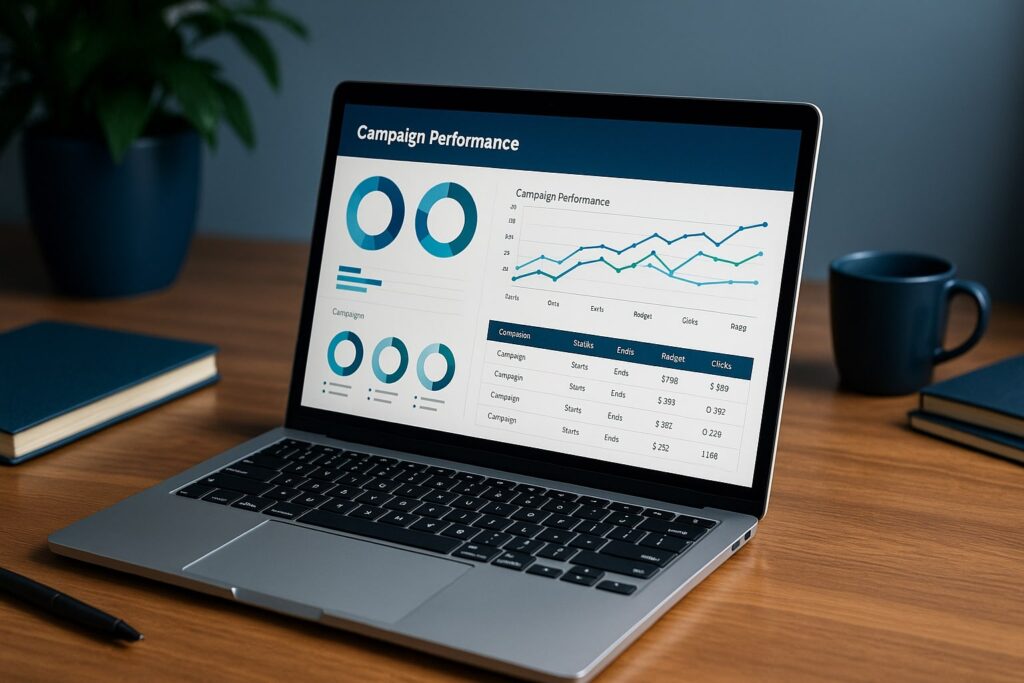
Strategic demand generation for saas that builds consistent pipeline growth

Demand generation for SaaS requires far more than pushing out content or running paid ads. True demand generation involves shaping market perception, educating potential users, and creating long-term interest before a buying cycle begins. SaaS companies operate in fast-moving categories, so their demand strategies must emphasize differentiation, value, and long-term trust building. When executed well, demand generation becomes a predictable and scalable engine that drives qualified pipeline—even in saturated markets.

demand generation for saas, demand generation

In short:

  • Demand generation for SaaS blends education, awareness, and trust-building activities.

  • Strong demand engines depend on audience insights and a long-term strategic view.

  • Content, product experiences, and paid channels must support one another.

  • Measurement and iteration determine whether demand activities translate into pipeline.

  • TheStrategyWire.com often highlights that effective demand generation centers on value, not volume.

Why demand generation for saas must prioritize education over promotion

SaaS buyers rarely make fast decisions. Instead, they move through a discovery process anchored in research, comparison, and problem definition. This is why demand generation for SaaS must prioritize education rather than aggressive promotion. When potential customers learn something valuable from your brand, they begin to trust you, return to your content, and engage more deeply over time.

The most successful SaaS companies teach before they sell. They help prospects diagnose problems, evaluate solutions, and understand the impact of inaction. This brings high-intent buyers into the pipeline naturally, without relying on constant lead capture.

Understanding the modern SaaS buyer to shape demand generation for saas

Modern SaaS buyers prefer to self-educate. They access information across multiple channels long before they engage with a sales team. This means your demand generation strategy must meet them early in their journey, often months before purchase consideration.

Key elements of the modern SaaS buyer profile include:

  • High expectations for transparency

  • Preference for vendor-agnostic education

  • Desire for evidence and practical examples

  • Caution around exaggerated claims

  • Interest in peer experiences

Understanding these behaviors helps shape more thoughtful messaging, content, and outreach strategies.

Also interesting

Audience segmentation as the foundation of demand generation for saas

Effective demand generation starts with detailed segmentation. A single SaaS product often serves multiple personas with different motivations. Aligning your messaging to these differences increases relevance and engagement.

Segmentation considerations include:

  • Job roles and responsibilities

  • Industry verticals

  • Maturity level of the organization

  • Pain points or current workflows

  • Buying triggers and timelines

The clearer your segments, the more precisely you can tailor content, campaigns, and outreach.

How value-based messaging strengthens demand generation for saas

SaaS companies commonly overemphasize features. Instead, demand generation performs best when messaging focuses on outcomes, not functionality. Prospects care more about results than tools.

Value-based messaging should address:

  • Efficiency gains

  • Cost reductions

  • Risk mitigation

  • Faster execution

  • Strategic differentiation

TheStrategyWire.com often notes that when messaging prioritizes outcomes, SaaS companies attract higher-intent prospects who resonate with the problem being solved.

Step-by-step: mapping demand generation for saas from awareness to pipeline

Here is a practical structure to guide your entire demand engine.

Step 1: Establish top-of-funnel education

Provide insights that explain common industry challenges and misconceptions.

Step 2: Offer mid-funnel frameworks

Deliver frameworks, evaluations, and strategies that deepen understanding of potential solutions.

Step 3: Create bottom-of-funnel clarity

Showcase specific outcomes through use cases, proof points, and in-depth product walkthroughs.

Step 4: Enable sales alignment

Ensure outreach messaging reflects the same themes taught across your content.

Step 5: Measure pipeline, not clicks

Optimize based on real business outcomes.

This structured path ensures consistency and clarity across every stage.

Building a content ecosystem that fuels demand generation for saas

Content is the engine of demand generation. But isolated articles or random posts do not create sustained interest. A content ecosystem organizes topics, formats, and distribution to guide prospects through a cohesive learning journey.

Essential elements include:

  • Pillar content with in-depth insights

  • Tactical blog posts

  • Research and benchmarking reports

  • Case studies and customer stories

  • Webinars and live sessions

  • Product-led tutorials

  • Social-first content for distribution

When these pieces reinforce one another, they generate momentum and keep prospects engaged across channels.

"Strong demand engines grow when SaaS companies focus on education, trust, and consistent value delivery across every touchpoint."

The role of product-led experiences in demand generation for saas

Modern SaaS buyers want to try the product early. Product-led experiences help prospects understand value directly instead of interpreting sales pitches.

Examples include:

  • Free trials

  • Limited-access sandboxes

  • Guided demo environments

  • Interactive product tours

  • Use case-specific templates

These experiences accelerate understanding and create natural buying intent. Demand generation strategies that include interactive product touchpoints often generate stronger pipeline quality.

Leveraging thought leadership in demand generation for saas

Thought leadership positions your brand as a credible authority. It helps you shape market conversations instead of reacting to them. When executed effectively, it attracts prospects who are actively looking for strategic guidance.

High-impact thought leadership includes:

  • Industry forecasts

  • Deep analyses of emerging trends

  • Proprietary data reports

  • Expert-led discussions

  • Actionable frameworks

Thought leadership becomes even more powerful when combined with distribution channels that amplify reach.

Why paid distribution matters in demand generation for saas

Paid channels accelerate visibility for high-quality content. Instead of pushing promotional ads, SaaS companies should distribute educational assets that build trust and expand reach.

Effective paid distribution includes:

  • LinkedIn thought leadership promotion

  • Paid newsletter sponsorships

  • Targeted display campaigns

  • Retargeting based on engagement

  • Paid amplification of webinars or benchmark reports

Paid distribution is most effective when supported by strong content, not when used as a shortcut.

Using SEO strategically within demand generation for saas

SEO remains one of the most effective long-term engines for SaaS demand. It brings in stable, compounding traffic and captures buyers during early research stages.

SEO priorities include:

  • Search intent alignment

  • Topic clustering

  • Technical optimization

  • Long-form educational content

  • Product-led SEO assets

  • Use case and solution pages

When SEO aligns with demand strategy, the result is predictable inbound interest that grows over time.

Building community as a component of demand generation for saas

Communities help SaaS companies create long-term engagement and loyalty. They provide spaces for peer learning, problem-solving, and advocacy.

Communities can take the form of:

  • Private Slack groups

  • Customer councils

  • Industry discussion forums

  • Ambassador programs

  • LinkedIn groups

  • Co-created events

Community-led growth accelerates demand by turning users into amplifiers of your brand message.

Also interesting

Sales and marketing alignment for effective demand generation for saas

Demand generation is not strictly a marketing function. Sales plays a critical role in turning demand into revenue. If sales uses outdated or inconsistent messaging, even strong demand efforts underperform.

Alignment requires:

  • Shared messaging frameworks

  • Clear definitions of lead quality

  • Mutual feedback loops

  • Joint planning of content and campaigns

  • Unified success metrics

TheStrategyWire.com frequently highlights that alignment prevents value loss during handoffs between marketing and sales.

Step-by-step: measuring demand generation for saas

Measurement determines whether your strategy drives meaningful results.

Step 1: Track content engagement quality

Focus on depth, not vanity metrics.

Step 2: Map first-touch and multi-touch influence

Understand how prospects interact across channels.

Step 3: Evaluate pipeline contribution

The strongest metric for demand success.

Step 4: Compare segment performance

Different segments may respond differently.

Step 5: Review sales-cycle acceleration

Strong demand shortens timelines.

These metrics help refine your strategy and ensure long-term scalability.

Avoiding common mistakes in demand generation for saas

Demand generation often fails due to tactical overemphasis. Common mistakes include:

  • Overproducing content without strategy

  • Misaligned messaging

  • Overreliance on gated assets

  • Prioritizing lead volume over intent

  • Ignoring sales feedback

  • Neglecting post-signup experiences

Avoiding these mistakes protects the integrity of your demand engine and helps build sustainable pipeline.

Evolving your demand generation for saas as your product scales

Demand generation strategies must evolve as your SaaS platform, customer base, and market conditions change. What works for early-stage companies rarely works for scaling businesses. This means refining segmentation, updating messaging, and expanding distribution channels.

You may need to:

  • Target new industries

  • Introduce vertical-specific content

  • Expand product-led initiatives

  • Strengthen thought leadership

  • Build deeper partnerships

The most effective SaaS brands treat demand generation as a continuous process, not a campaign-based task.

Picture of Ethan Clarke
Ethan Clarke

Ethan Clarke is a business strategist and technology writer with a passion for helping entrepreneurs navigate a fast-moving digital world. With a background in software development and early-stage startups, he blends practical experience with clear, actionable insights. At TheStrategyWire.com, Ethan explores the intersection of entrepreneurship, AI, productivity, and modern business tools