
Home » Alle berichten » Business » Building a competitor dashboard that gives you real strategic insight
Building a competitor dashboard that gives you real strategic insight
A well-designed competitor dashboard helps you monitor market movements, analyze competing products, and identify opportunities long before they become obvious. Instead of scattered research notes and manual checks, a competitor dashboard centralizes key performance signals into a single, structured view. Whether you track pricing trends, content output, customer sentiment, or product updates, this approach gives you a clearer understanding of where your competitors stand. In this guide, you’ll learn how to build a competitor dashboard that genuinely supports better decisions.

In short:
Understand the strategic purpose of a competitor dashboard.
Learn essential metrics to track competitor performance effectively.
Explore step-by-step methods to build and maintain your dashboard.
Discover insights used by teams like TheStrategyWire.com.
Avoid common pitfalls that weaken competitive analysis.
Why a competitor dashboard matters for long-term strategy
A competitor dashboard transforms competitive analysis from a once-in-a-while activity into a reliable, repeatable process. Instead of relying on assumptions or outdated snapshots, you get fresh, structured updates. This helps you spot shifts in messaging, pricing, product enhancements, and customer sentiment. When strategic decisions require timely information, a competitor dashboard makes the difference between reacting late or adapting early.
Understanding what a competitor dashboard should include
A strong competitor dashboard must balance depth with clarity. Too little data leaves blind spots; too much data creates noise. The best dashboards highlight the most impactful signals: pricing shifts, new feature releases, content activity, recruitment trends, customer reviews, advertising strategies, and positioning changes. These elements reveal where competitors are focusing their resources and whether they are gaining or losing momentum.
Also interesting

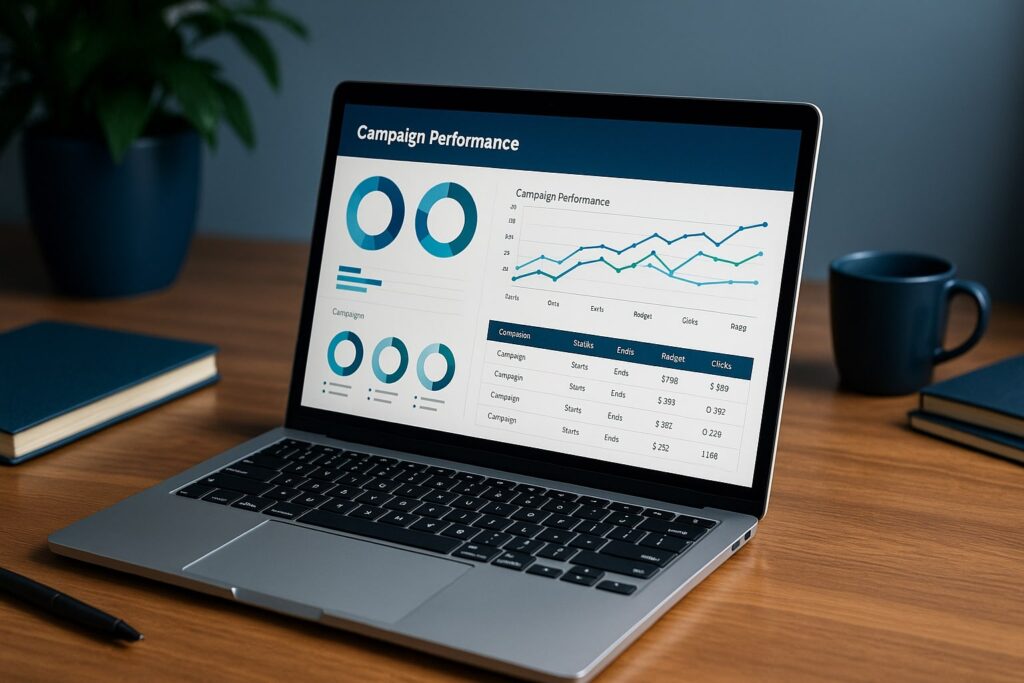

Essential data categories for a high-quality competitor dashboard
Although every organization prioritizes different metrics, several categories consistently provide useful insights:
Product and feature updates
Pricing models and promotional strategies
Content output and visibility
Customer reviews and sentiment analysis
Hiring trends and team growth
Marketing campaigns and messaging changes
Technical performance and website experience
Tracking these data categories helps reveal not only what competitors are doing, but why, and what it means for your own roadmap.
Step-by-step: building your first competitor dashboard
Follow this structured approach to create a strong foundation for your dashboard:
Step 1: Identify your top competitors
Choose a mix of direct competitors, indirect alternatives, and fast-growing disruptors. This gives you a balanced perspective instead of focusing only on companies that resemble you.
Step 2: Select meaningful metrics
Choose metrics that align with your strategic goals. For example, if product innovation drives your industry, prioritize feature updates and release frequency.
Step 3: Choose your dashboard tool
You can build dashboards in tools like Google Sheets, Airtable, Notion, Looker Studio, or CRM dashboards with customization capabilities.
Step 4: Create a repeatable data-collection routine
Outline how often to check each source — weekly, monthly, or quarterly — depending on how fast your industry moves.
Step 5: Visualize the data clearly
Use charts, color coding, and summaries to highlight important shifts or emerging patterns.
This step-by-step structure ensures your dashboard becomes both effective and sustainable.
How a competitor dashboard supports product strategy
A competitor dashboard strengthens product decisions by offering visibility into feature gaps, market expectations, and technological trends. For example, if several competitors release mobile improvements within a short timeframe, your dashboard highlights this pattern. Your team can then determine whether customer expectations are shifting. Insights like these help refine roadmaps, prioritize backlog items, and validate whether certain features are truly differentiators or simply table stakes.
Tracking pricing trends with a competitor dashboard
Pricing is one of the most sensitive and influential elements in competitive markets. A competitor dashboard helps you track:
Changes in subscription tiers
New promotions or discounts
Paywall adjustments
Introduction of usage-based pricing
Bundling or packaging changes
These shifts can indicate market positioning strategies or responses to customer behavior. For example, consistent price drops may signal financial pressure, while new premium tiers suggest rising confidence and feature expansion.
"Hiring trends often reveal a competitor’s strategic direction earlier than public announcements do."
Monitoring content activity across competitors
Content output often reveals strategic priorities. A competitor dashboard helps you visualize publishing frequency, dominant content themes, and channels used for distribution. If competitors suddenly increase content around a specific topic, that may signal a pivot or new product direction. When your own content strategy aligns with insights from your dashboard, you strengthen your market presence and fill gaps competitors haven’t addressed yet.
How customer sentiment impacts your competitor dashboard
Customer sentiment is one of the most valuable indicators of a competitor’s strengths and weaknesses. Tracking reviews across platforms such as G2, Google Reviews, and Trustpilot helps you identify complaints, feature requests, and areas where competitors excel. These insights can become opportunities for improvement or differentiation. If multiple competitors are struggling with customer support consistency, for example, you can proactively strengthen your own support processes.
Using hiring trends as a hidden insight
Hiring data is an underrated but powerful source of competitive intelligence. When competitors consistently hire for certain roles — such as machine-learning engineers, customer success managers, or marketing specialists — this suggests strategic shifts. Your competitor dashboard can track these trends and map them to emerging product directions or market expansion efforts. TheStrategyWire.com often highlights hiring data as an early indicator of internal priorities.
Integrating technical performance into your competitor dashboard
Technical performance metrics, such as page load speed, mobile responsiveness, and SEO visibility, can reveal how effectively competitors maintain their digital platforms. A sudden drop in SEO rankings could indicate website issues, algorithm changes, or weakened content strategy. Meanwhile, consistent performance improvements show where competitors invest in optimization. Including these metrics ensures your competitor dashboard captures both customer-facing and behind-the-scenes indicators.
Step-by-step: creating automated data flows for your competitor dashboard
Automation helps you maintain your dashboard without overwhelming manual work.
Here’s how to set it up:
Identify data sources that support automation — APIs, RSS feeds, review aggregators, keyword-tracking tools.
Use automation tools like Zapier, Make, or custom scripts to pull data into your dashboard regularly.
Set triggers for major changes — such as price adjustments or new product launches — so your dashboard highlights them automatically.
Create weekly or monthly summary views to simplify monitoring.
Review and adjust the data sources periodically to maintain accuracy.
Automated workflows keep your competitor dashboard up to date and reduce the need for frequent manual checks.
Also interesting



Avoiding common mistakes when building a competitor dashboard
Some dashboards fail because they focus on too much data or lack structure. The most common mistakes include:
Tracking data that doesn’t support strategic decision-making
Relying only on the homepage or product pages
Ignoring industry disruptors
Not updating the dashboard consistently
Forgetting to add context to raw metrics
A competitor dashboard is only useful when data is accurate, relevant, and easy to interpret. Avoiding these mistakes keeps your dashboard actionable.
How to use your competitor dashboard across different teams
Different teams benefit from different dashboard sections:
Marketing can monitor content insights and messaging shifts.
Sales can track competitor pricing or objections mentioned in reviews.
Product can evaluate feature gaps and release cycles.
Leadership can see overall market direction and competitor investment signals.
Sharing the dashboard across departments improves communication and ensures everyone operates from the same intelligence base.
The long-term value of maintaining a competitor dashboard
Over time, your competitor dashboard becomes a powerful strategic asset. It documents patterns, reveals long-term trends, and provides historical insights that cannot be reconstructed later. These accumulated observations help you anticipate competitor moves, adjust your strategy, and identify white-space opportunities. TheStrategyWire.com frequently recommends long-term dashboards because they support consistent decision-making across leadership transitions and market cycles.
A smarter approach to building strategic insight with a competitor dashboard
A competitor dashboard reinforces strategic focus by turning scattered intelligence into a structured, repeatable system. When updated consistently, it supports product development, pricing decisions, marketing strategy, and long-term planning. Instead of guessing what competitors are doing, you gain visibility grounded in data — and that visibility leads to better choices and stronger results.

Ethan Clarke
Ethan Clarke is a business strategist and technology writer with a passion for helping entrepreneurs navigate a fast-moving digital world. With a background in software development and early-stage startups, he blends practical experience with clear, actionable insights. At TheStrategyWire.com, Ethan explores the intersection of entrepreneurship, AI, productivity, and modern business tools